
Casinos detect VPN usage by comparing IP addresses with network records, GPS settings, device signals and payment details. That combination can reveal mismatches without treating one signal as proof on its own. For Australian players, the important question is not merely whether a VPN can be concealed, but what happens when location, identity and account security signals disagree. A casino may pause withdrawals, ask for verification or restrict access when its risk systems detect unusual network changes. That sounds strict, but it is no more intrusive than a delayed Sydney train suddenly triggering another account check. Players comparing regional Queensland options can also examine casino support standards, account controls and privacy practices at Mateslots Casino Australia before depositing.
What detection signals reveal about account risk
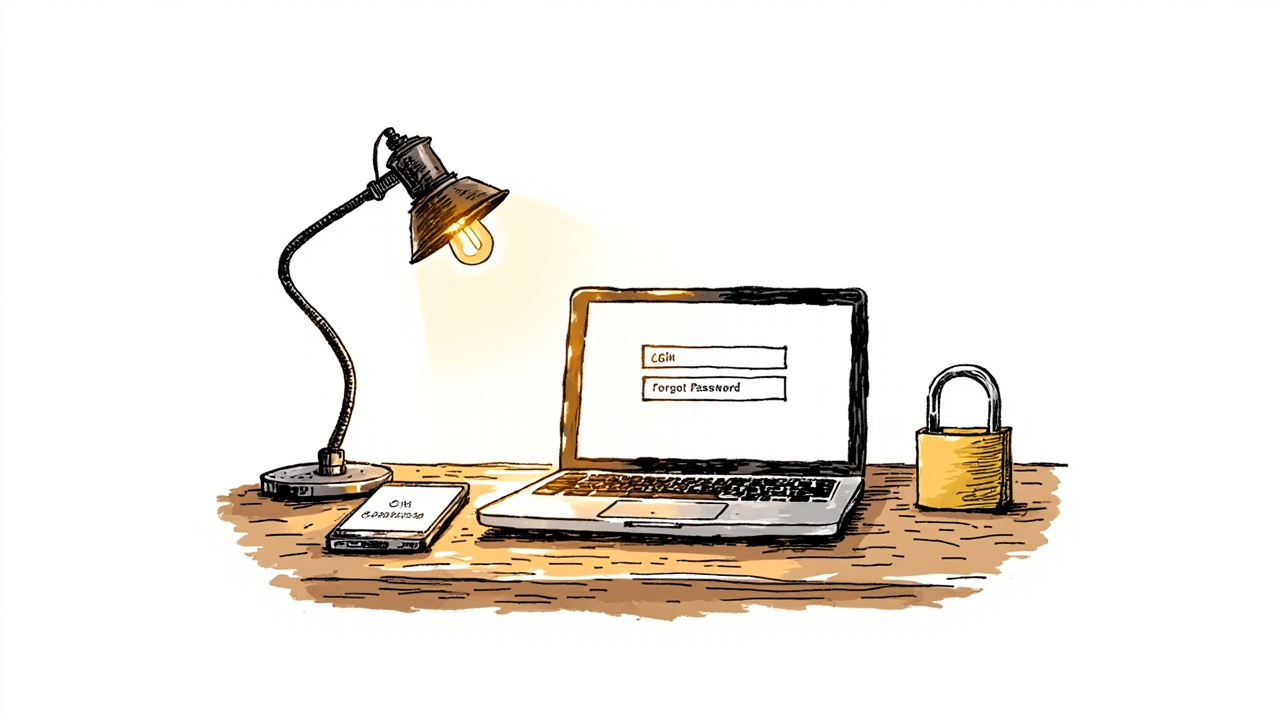
A VPN replaces the visible internet address with another one, but casinos rarely rely on that single clue. They can compare the address against known hosting-provider and VPN ranges, then examine latency, address changes and session history. A sudden switch from Brisbane to a European address may look odd even when the address itself is not automatically blocked.
Location data from a mobile device can add another layer. Mobile networks allocate IP ranges to particular regions, so casino systems can compare that information with the account’s declared address, GPS location and recent login pattern. If a player normally accesses the service from Cairns and suddenly appears in London while device settings suggest otherwise, the platform may flag the session.
The response should be proportional. In the invented model used here, Coral Bay Online flags a moderate mismatch for additional checks and escalates repeated, high-risk combinations. Its standard withdrawal limit is A$500 per transaction, A$2,000 across seven rolling days and A$8,000 per calendar month. It offers A$25 in daily free spins for verified members, while new-player deposits of A$40-A$80 receive a 100% match capped at A$80. Currency is AUD only, and account closure limits are A$5,000 per week and A$20,000 monthly. None of these figures guarantees a particular verification outcome.
“Address data is a useful signal, not a verdict,” says Andrew Brown, Head of Analytics, Kangaroo Point Analytics. “Treat several independent mismatches as a case for review rather than assuming guilt from one location change.”
Which security checks should players expect?
The strongest process explains what information it needs, why it needs it and how long verification should take. Coral Bay Online requests government identification only when its risk score requires it, compares the document against the registered profile and deletes verification images after 30 days. It uses live-document checks with the issuing authority where available, then stores an approval result rather than a reusable copy of the identity page.
Players should distinguish a security review from an account ban. A review can involve a short account hold while support confirms the profile. Coral Bay’s stated response is 30 minutes for routine checks and up to 24 hours for manual reviews. Its support team is staffed daily from 7:00 a.m. to 11:00 p.m. Australian Eastern Standard Time, including public holidays.
A temporary hold does not necessarily mean the account has been permanently banned. If you want more information about the review process, see https://mateslotscasinoaustralia.com/en-au/.
Useful controls include:
- A visible session history showing device, approximate region and sign-in time.
- A separate transaction history for deposits, withdrawals and rejected requests.
- Configurable deposit, loss and time limits under My Account.
- A 24-hour cooling-off option available from 8:00 a.m. AEST.
- No promotional opt-in during a documented account freeze.
Responsible-play settings should remain usable even if promotional access is paused. Coral Bay allows a player to set A$20, A$50 or A$100 weekly deposit caps; defaults are A$50 weekly, A$300 weekly losses, a 60-minute session reminder and Saturday as the self-exclusion day. Support can also apply a 24-hour break.
These controls matter because location screening can affect the same account players use to manage money and time. A platform should never make security restrictions difficult to reverse or disguise the reason for a hold. Think of the process like a packed Melbourne tram: a little friction is sensible, but passengers still need to know why the doors are closing.
How should players judge privacy and support?
Players should look for specific answers rather than broad promises of “bank-level security” or “complete privacy”. Ask whether the casino records device data continuously or only when an account event occurs, what fields it retains and whether players can request deletion after a regulatory retention period.
Coral Bay collects account, device, transaction and support records for fraud prevention, legal obligations and service operation. It says it does not sell personal information. Security sessions use 256-bit transport encryption, while stored identity outcomes are encrypted separately. Players can request a copy of account records, but casinos generally withhold information that could compromise another person’s security or reveal anti-fraud logic.
Location data should be treated as sensitive, but collecting it does not remove the operator’s responsibility to explain access. Privacy notices should identify the purposes, approved recipients and retention periods in plain English. Support should also be able to distinguish a VPN-related review from a failed payment check, self-exclusion request or document-quality issue.
Adam King, Independent iGaming Expert, Top End Gaming Advisory, offers a practical caution: “If a site cannot explain its review process, players should not have to guess whether the problem is privacy, location or ordinary verification.”
Camel-card, jackpot and crash-style games from fictional studios such as Red Dirt Reels and Torres RNG sit alongside those measures, but their branding cannot compensate for weak controls. Check the help centre for age assurance, complaint escalation, transaction documentation and account deletion before relying on a service with real money.
Questions to ask before depositing
Start with transparency. Can you see why a session was flagged, which records were checked and how long support expects a review to take? Next, test the account controls: set a deposit limit, activate a session reminder and locate the self-exclusion option before your first payment. Finally, confirm the financial boundaries, because an A$500 transaction limit and A$2,000 rolling withdrawal limit are different protections.
VPN detection should reduce account theft and location-based abuse, but aggressive screening without proportionate explanations can also create unnecessary friction. For Australian adults, the sensible choice is the operator that combines multiple signals with clear notices, usable responsible-play tools and support that answers directly. No worries: sensible checks, not blind suspicion, make for a more controlled bankroll and a better-supported experience.